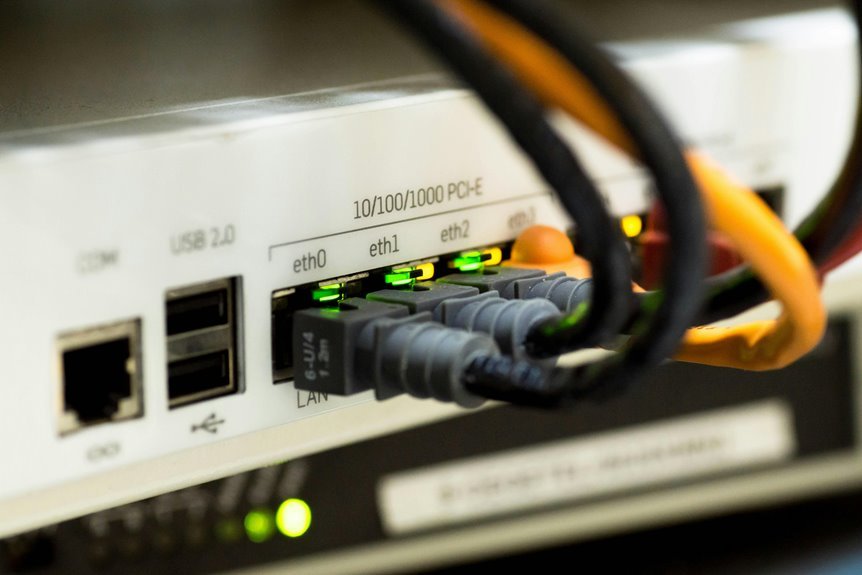
Advanced Internet Infrastructure 21543701 is pivotal in enhancing stability within digital communication networks. It employs robust architecture and strategic load balancing to optimize resource allocation, mitigating overload risks. Additionally, its fault tolerance mechanisms ensure continuous connectivity, essential for user confidence. As security protocols evolve, this infrastructure addresses both bandwidth limitations and cyber threats. The implications for users and businesses are significant, raising questions about future connectivity and economic growth.
Key Components of Advanced Internet Infrastructure 21543701
The backbone of advanced internet infrastructure comprises several critical components that ensure efficient data transmission and connectivity.
Central to this framework is robust network architecture, which outlines the structural design of interconnected systems.
Additionally, data centers serve as vital hubs, housing servers and storage systems that facilitate data processing and management.
Together, these elements form a resilient platform supporting the demands of modern digital communication.
How Does This Infrastructure Enhance Network Stability and Resilience?
While various elements of advanced internet infrastructure work in concert, their combined effect significantly enhances network stability and resilience.
Load balancing optimizes resource allocation, preventing overloads that can lead to failures.
Simultaneously, fault tolerance mechanisms ensure continuous operation despite component failures.
Together, these strategies create a robust framework that supports uninterrupted connectivity, empowering users to navigate the digital landscape with confidence and freedom.
Addressing Bandwidth Limitations and Security Threats
Bandwidth limitations and security threats represent critical challenges in the landscape of advanced internet infrastructure.
Effective bandwidth optimization techniques are essential for maximizing resources and enhancing user experiences.
Concurrently, robust security protocols must be implemented to safeguard against evolving cyber threats.
Addressing these dual concerns is vital for ensuring a resilient, secure, and efficient internet environment that upholds user freedom and fosters innovation.
The Future of Connectivity: Benefits for Users and Businesses
A transformative era in connectivity is on the horizon, promising substantial benefits for both users and businesses.
Enhanced infrastructure will significantly improve user experience, enabling faster, more reliable access to services.
This evolution fosters business innovation, allowing companies to leverage advanced technologies for streamlined operations and improved customer engagement.
Ultimately, a robust connectivity framework will empower users and drive economic growth across diverse sectors.
Conclusion
In conclusion, Advanced Internet Infrastructure 21543701 significantly contributes to network stability and resilience, fostering a secure digital environment. Notably, studies indicate that organizations utilizing enhanced network architectures experience up to a 50% reduction in downtime, underscoring the importance of robust infrastructure in maintaining connectivity. As this infrastructure continues to evolve, it not only addresses current bandwidth limitations and security threats but also paves the way for improved economic growth and innovation across diverse sectors.